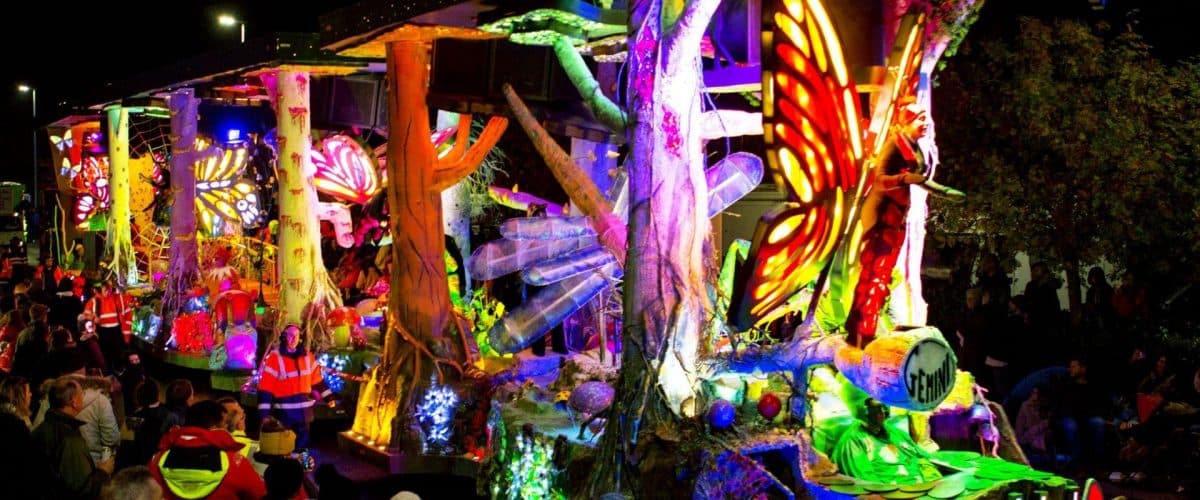
Bridgwater Guy Fawkes Carnival
How the tradition took to the streets.
The origins of our annual carnival in Bridgwater can be traced back to the Gunpowder Plot of 1605, when Guy Fawkes and his fellow conspirators failed in their attempt to blow up the Houses of Parliament.
King James I and Parliament decreed that the events of 5 November should be commemorated annually with the lighting of bonfires, a tradition celebrated across the nation to this day.
1605 onwards
A celebration with a character of its own
Maybe it was because Bridgwater was staunchly Protestant in those days that the townsfolk celebrated with greater vigour than anywhere else, creating a tradition of widespread merrymaking on the annual anniversary of the fifth.
Whatever the reason, those celebrations have now grown into the magnificent spectacle which takes to the streets of Bridgwater each year in early November.
1847
The earliest newspaper record
The early years were not recorded because local newspapers did not appear in the town until the mid-nineteenth century. From journalistic records, we can trace the development of our carnival from 1847, making Bridgwater Guy Fawkes Carnival the oldest event of its kind in the United Kingdom.
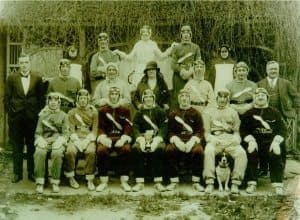
Celebrations in those days concentrated around a huge bonfire built on the Cornhill, right in the centre of the town. From all corners of Bridgwater, townsfolk paraded to the bonfire, many disguising their identities in costumes and masks, a practice which enabled them to get up to all sorts of harmless mischief.
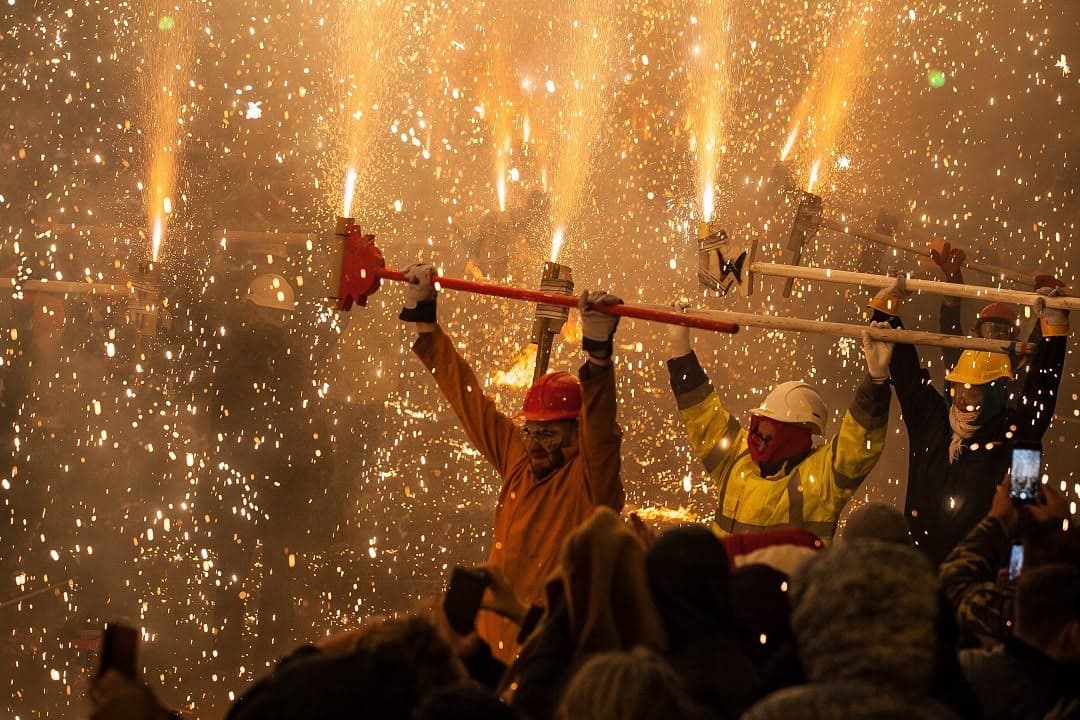
Once assembled, effigies of Guy Fawkes, the Pope and others who had upset the local population were added to the flames. From early evening, hundreds of Squibs were ignited in the town centre and a night of merrymaking continued until the early hours.
1880
The night that changed Carnival
It was the celebrations of 1880, however, which changed the course of the carnival forever. The evening of the fifth began well, but the usual good humour and excitement gave way to ill temper and violence, leading ultimately to serious disorder and riot.
By one o'clock in the morning, the bonfire was still burning with plenty of fuel remaining. Most of the crowd had gone home, but around 300 people were still making merry around the fire.
The local authority decided enough was enough and called in the newly formed fire brigade to douse the flames and end the festivities. The revellers cut the fire hoses, and those which remained intact were turned on the firemen themselves.
Fireman James Ware refused to give up possession of a standpipe and was set upon by the angry crowd, who chased him through the streets. Although he sustained cuts and bruises, he escaped to the shelter of his home, where he remained under the protection of the local police.
1881
The first official procession
The next day, the riot was the talk of the town and various parties were blamed. It took a letter from Frank Squire, written to the Bridgwater Mercury, to focus attention on the real issues.
He suggested that a controlling committee should be formed and an annual procession organised so that citizens in other parts of the town could witness the magnificent costumes which were, by then, a major feature of the festivities.
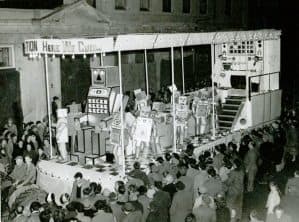
Frank's suggestion received substantial support. The following year, 1881, the first carnival committee was formed and the first official Bridgwater Guy Fawkes Carnival paraded through the streets of the town.
From this inaugural event has grown the country's longest-running carnival, justifying Bridgwater's title as the Home of Carnival.
1883
A bridge, a baptism of fire and a lasting concert
Two years later, another event occurred which proved a significant milestone. A new town bridge across the River Parrett had been commissioned by the local authority and was due to open in the autumn of 1883.
Captain W. J. Ford, the popular first President of Bridgwater Guy Fawkes Carnival, light-heartedly suggested that the official opening should take place on 5 November to coincide with the carnival parade. The Town Councillors agreed, and arrangements were made to open the bridge on the afternoon of carnival day.
The carnival committee decided to stage a ceremonial display as the parade reached the river crossing, including Bridgwater Squibs. Because the display would be expensive, the committee came up with the idea of a fundraising concert.
The evening of Popular Entertainment was staged at the Town Hall on 31 October. This first Carnival Concert raised 14 guineas, more than enough to pay for the bridge's baptism of fire, with a small amount left in the kitty.
The concert proved so popular that it has been staged every year since, with the exception of the war years, and remains a vital source of funding for the annual carnival parade.
Original history published by Bridgwater Guy Fawkes Carnival